- By sboylefiction
- May 22, 2026
How Sci-Fi Explores Human Perception and False Reality
Have you ever felt unsure about what is real? Have you trusted a memory only to question it later? Have you ever wondered if your mind can trick you?
These are the questions I explore in my writing.
As a novelist who writes science fiction, psychological thrillers, and political suspense, I often return to one idea. Our perception is not always truth. This is why sci fi books about perception and reality are so powerful. They help readers see how easily the mind can shape or distort what we believe is real. These stories are not only about the future. They are about the human mind today.
These stories explore how the human mind builds reality from signals, memory, and emotion. If those signals change, reality changes too.
In my own work, I try to show how easily truth can shift when perception is uncertain. Readers connect with this because it feels close to real life.
Why Perception Shapes Everything We Believe
Perception is not just seeing or hearing. It is how the brain understands the world. Two people can see the same event and remember it differently. That is perception at work.
In science fiction, this becomes more extreme. Writers often show worlds where:
- Reality is controlled
- Perception is altered
- Truth is hidden or rewritten
This makes readers question their own understanding of life.
The Brain as a Filter of Reality
Our brain does not record everything. It selects, edits, and stores information.
This means reality is already filtered.
Science fiction uses this idea to build stories where:
- What is real is unclear
- Characters doubt their senses
- Memory becomes unreliable
Readers start to understand how fragile perception really is.
When Reality Starts to Break
One of the most powerful ideas in my writing is broken reality.
What happens when:
- Time does not feel stable
- Places change without reason
- Memories do not match events
These situations create confusion. But they also create curiosity.
This is where storytelling becomes powerful. Readers want to understand what is happening, even when nothing feels stable.
Many readers who enjoy this also explore thought provoking sci fi novels because they push the mind even further.
Memory, Truth, and Confusion
Memory plays a big role in perception.
If memory changes, truth changes.
In science fiction stories, memory is often:
- Edited
- Rewritten
- Deleted
- Replaced
This creates emotional conflict for characters.
They ask simple questions like:
Who am I if my memories are not real?
This question stays with readers long after the story ends.
Technology That Changes What We See
Modern science fiction often includes technology that alters perception.
Some common ideas include:
- Brain connected systems
- Digital reality layers
- Artificial memory systems
- Virtual environments that feel real
These ideas are not just fantasy. Some of them connect with real scientific research in neuroscience and AI.
That is why readers feel both excitement and fear when reading these stories.
Why Readers Trust Fiction More Than Reality
This may sound strange, but it is true.
Readers often feel safer exploring false reality in fiction than questioning real life.
Why?
Because fiction gives structure. It gives meaning. It gives an ending.
In real life, perception is uncertain. There are no clear answers.
Science fiction allows readers to explore that uncertainty in a controlled way.
Emotional Impact of False Worlds
Stories about false reality are not only intellectual. They are emotional too.
Characters often feel:
- Loss
- Confusion
- Fear
- Isolation
Readers feel this with them.
This emotional link makes the experience stronger.
It is not just about understanding reality. It is about feeling it change.
Why I Write About Perception and Reality
As a writer, I am interested in how humans understand truth.
In my novels, I often explore psychological pressure, political control, and science based uncertainty.
I have seen how readers respond deeply to these themes. They ask questions about their own memory, identity, and beliefs.
This is why I continue writing in this space. It connects science fiction with human emotion in a simple but powerful way.
Connection to Deep Thinking Science Fiction
Stories about perception often overlap with deeper themes of philosophy and logic.
This is why many readers enjoy structured and deep narratives in thought provoking science fiction novels.
These books do not just tell a story. They make readers think about life itself.
They connect imagination with real human questions.
Closing Thoughts
Sci-fi that explores perception and reality is powerful because it connects imagination with human thought. It shows how easily reality can shift when the mind is uncertain.
As I continue my work, I try to keep these ideas simple, emotional, and clear for readers. My goal is to help readers think, feel, and question the world around them.
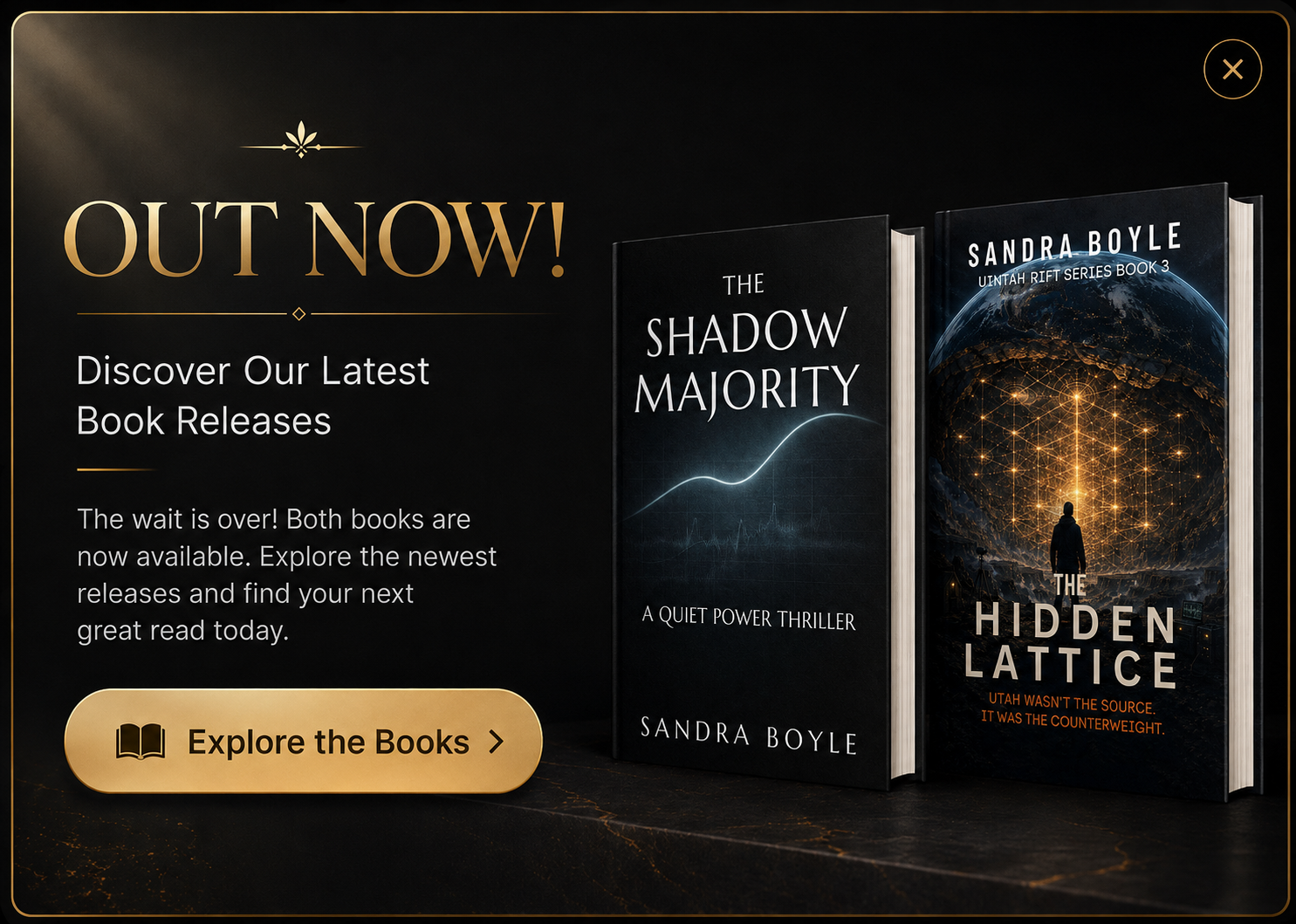
If you enjoy stories that explore identity, memory, and reality, I invite you to explore my books. You can find them through my official website at Sandra Boyle’s site and other major book platforms. I hope they make you think a little differently about what is real.
FAQs
- What are sci fi books about perception and reality?
They are science fiction stories that explore how humans see, understand, and question reality. They often include altered perception, false memories, or simulated worlds.
- Why is perception important in science fiction?
Perception shapes how characters and readers understand the world. Changing perception creates mystery, tension, and deeper meaning in stories.
- Are these stories based on real science?
Some ideas are inspired by neuroscience, psychology, and technology, but most are fictional and used for storytelling.
- Why do readers enjoy false reality themes?
Readers enjoy them because they challenge thinking and make people question what is real in a safe and controlled way.
- What makes thought driven sci fi different?
It focuses more on ideas, psychology, and philosophy rather than action or adventure alone.
- Who writes this type of science fiction?
Many authors explore this genre, including me Sandra Boyle, who writes science fiction, psychological thrillers, and political suspense.
Author Bio
This blog is prepared by Sandra Boyle with the objective of explaining science fiction themes in simple, human, and easy-to-understand language. It focuses on helping readers explore complex ideas like perception, reality, and human psychology through storytelling.