Contact Info
- Salt Lake City, UT 84117
Exploring Technology Through Human Stories
I write realistic sci fi books about technology and humanity because I am interested in how new technology may change the way we live, think, work, and connect with one another. As a novelist, I write science fiction, psychological thrillers, and political suspense. My stories explore the future through human experiences, personal choices, social change, and the challenges that come with powerful new ideas.
For me, science fiction is not only about machines or advanced inventions. It is also about people. Technology may change the world around us, but human beings still have to make choices, build relationships, and deal with fear, hope, and uncertainty.
Technology is becoming a bigger part of everyday life.
People use digital tools to work, communicate, learn, shop, and make important decisions. As technology becomes more advanced, the relationship between people and machines may become even more complex.
This creates many questions that interest me as a writer.
Will technology make life easier?
Could people become too dependent on it?
What happens when a machine knows more about a person than the people closest to them?
Can technology bring people together while also making them feel more alone?
These questions help me create stories that focus on both the future and the human experience.
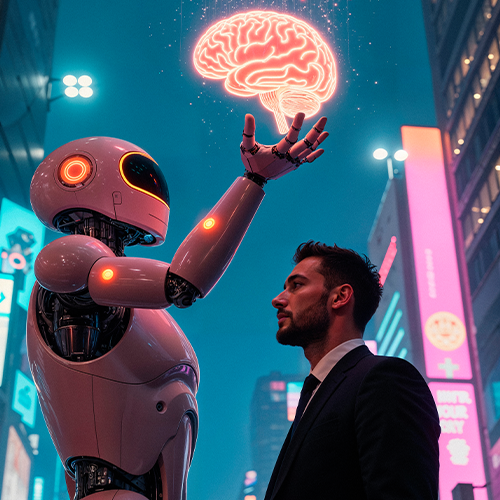
I believe realistic science fiction should begin with ideas that feel possible.
The technology in a story does not have to exist today. However, it should connect to real concerns and developments that people can understand.
A story may explore artificial intelligence, data, automation, surveillance, communication systems, or other technologies. The focus is not only on what these tools can do. I am also interested in how people respond to them.
Some people may welcome new technology. Others may fear it. Some may see it as a way to improve life, while others may worry about losing privacy, freedom, or control.
These different reactions can create conflict and make a future world feel believable.
My interest also connects with near future sci fi books about human and tech interaction.
I find the near future especially interesting because it does not feel completely distant. Readers can imagine how the world might change over the next few years or decades.
A small change in technology can have a much larger effect on society.
For example, a new system may change how people work. A new form of artificial intelligence may change how decisions are made. A new communication tool may change relationships and personal privacy.
The technology may be new, but the human questions remain familiar.
People may still want freedom, trust, security, love, and control over their own lives.
One of the areas I enjoy exploring is the effect technology can have on relationships.
Technology can help people communicate across great distances. At the same time, it can change how people interact in person.
What happens when people trust a digital system more than another human being?
Can technology understand human emotion?
Can a machine become part of a person’s daily life in a way that changes their relationships with other people?
These questions allow me to explore both the benefits and the risks of a more connected world.
My writing also includes political suspense, which gives me another way to explore technology.
Powerful technology can affect more than individuals. It can influence governments, businesses, communities, and entire societies.
Who controls important technology?
Who decides how it should be used?
What happens when a powerful system is placed in the wrong hands?
These questions can create political tension while showing how large changes can affect ordinary people.
Although I write about science fiction and technology, my stories always come back to people.
I am interested in how characters respond when the world around them changes.
Some may adapt quickly. Others may resist. Some may see new technology as an opportunity, while others may see it as a threat.
These different responses create personal conflict and make future stories feel human.
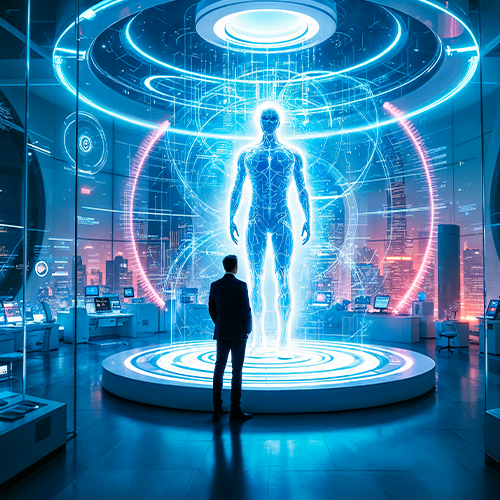
My novels combine science fiction, psychological suspense, political tension, and questions about technology and human nature.
I write for readers who enjoy realistic future ideas, complex choices, and stories about how technology may change the way people live.
If you enjoy science fiction that explores both new technology and the people affected by it, I invite you to explore my novels and discover the worlds I have created.