- By kappa2
- Oct 22, 2026
Can We Control Our Future? Sci Fi Books About Free Will and Fate
Have you ever made a choice and wondered, “What if I had chosen differently?” Can we really control what happens next? Or is some part of our future already decided?
These are the questions that draw me to sci fi books about free will and fate. As a novelist, I use science fiction, psychological thrillers, and political suspense to explore choices, identity, technology, memory, and the forces that can shape our lives.
I do not always want to give readers an easy answer. My goal is to leave you with questions that stay in your mind.
Here are the main ideas to keep in mind:
• Free will is about making our own choices.
• Fate suggests that some things may already be decided.
• Science fiction lets us explore both ideas in unusual ways.
• Technology can change how we think about choice and control.
• Memory and identity can affect the decisions we make.
• Good science fiction can leave you with questions long after you finish reading.
Can We Really Control Our Future?
Maybe we can. Maybe we cannot. Think about your own life for a moment. You can decide what to do today. You can make plans for tomorrow. But can you control everything that happens after that?
Of course not. Unexpected events can change our plans. Other people can affect our choices. New information can make us change our minds.
Now take that idea into a science fiction world. What if technology could know what choice you are going to make before you make it? What if someone knew your future before you did? What if you tried to change that future? That is where the idea of free will becomes much more interesting.
What Does Free Will Mean in Science Fiction?
Free will means having the power to decide what you do for yourself. But what if something is influencing those choices? Research has explored how unconscious brain processes may affect the decisions we make, raising interesting questions about how conscious our choices really are.
Imagine a computer that studies everything about you. It knows what you like, what you fear, and how you normally react. Could it predict what you will do next? And if it can predict your decision, does that mean your choice was never really free?
I enjoy exploring questions like these because they can turn a simple story into something much deeper. Research into free will also continue to examine how conscious and unconscious processes affect the choices people make. There is no simple scientific answer that settles the entire debate. That uncertainty gives fiction plenty of room to explore.
What Happens When Technology Controls Our Choices?
Technology can make the idea of free will even harder to understand. Think about it. What if technology could influence what you see? What if it could decide which information reaches you? What if it could predict your behavior? And what if you never knew it was happening?
You might still feel that you are making your own decisions. But how much freedom would you really have?
These are the kinds of questions I like to explore in my science fiction. I enjoy taking an idea that feels possible today and asking what could happen if it went one step further.
Can We Escape Fate?
Now let’s look at the other side. What if some events are meant to happen? Can you change your fate? Imagine a character who discovers something about the future. They know what is supposed to happen. What would you do in that situation? Would you accept it? Would you try to stop it? Would trying to change it actually cause it to happen?
This is one of the reasons I find fate so interesting. A character can know what may be coming, but that does not mean they will simply accept it. The struggle itself can create suspense.
Can Our Memories Change Our Choices?
What if you could not trust your own memories? Would you still trust your decisions? Memory plays an important role in how we understand ourselves. Our past experiences help shape who we are and how we respond to the world.
But what happens when those memories are missing? Or changed? Or possibly false? I explore these ideas in my fiction. In Echoes Rising, Lira discovers troubling questions about her identity and memories she was told to forget. In The Remembering, memories appear without a clear source. These stories let me explore what happens when a person’s understanding of the past becomes uncertain.
That leads to a question I love asking: If someone changes your memories, can they also change who you become?
What Can Science Fiction Teach Us About Humanity?
Science fiction may take place in the future, but it often tells us something about people today. That is why I enjoy writing deep sci fi books about humanity. My stories are not only about technology or strange futures. I also want to explore fear, trust, identity, power, and difficult choices.
Consider this: How might you act when fear takes over? Who would you trust if everything you knew became uncertain? Would you give up some freedom if it made you feel safer? Would you follow a rule if you believed the rule was wrong? These questions can make a futuristic story feel very close to home.
Can Political Power Affect Free Will?
What happens when powerful people or institutions start influencing your choices? You may still have choices. But are they really free if someone else controls the information you receive? This is where my interest in political suspense connects with my science fiction.
I enjoy exploring situations where people face powerful systems, hidden information, and difficult decisions. A character may have to decide whether to trust an institution, question the truth, or take a risk. Sometimes the biggest threat is not knowing who is making the decisions.
Why Do I Write About Free Will and Fate?
I write about these ideas because there is no simple answer. We all make choices. But our choices are affected by our experiences, relationships, fears, knowledge, and circumstances.
So, how much control do we really have? I like leaving some of that question with the reader.
When I write a story about free will or fate, I want you to become part of the conversation. I want you to question the characters. I want you to question their decisions. And perhaps, at some point, I want you to question your own.
What Makes These Stories Worth Reading?
Do you enjoy stories that make you think after you finish reading? Do you like mysteries involving memory and identity? Are you interested in technology and its effect on people? Or perhaps you enjoy political suspense mixed with science fiction?
If you answered yes to any of these questions, my books may give you something to explore. I write stories where the future is uncertain, people face difficult choices, and the truth may not be as simple as it first appears.
Ready to Question Your Own Future?
What if the future is not fixed? What if your choices matter more than you think? And what if you could never know exactly where one decision might lead?
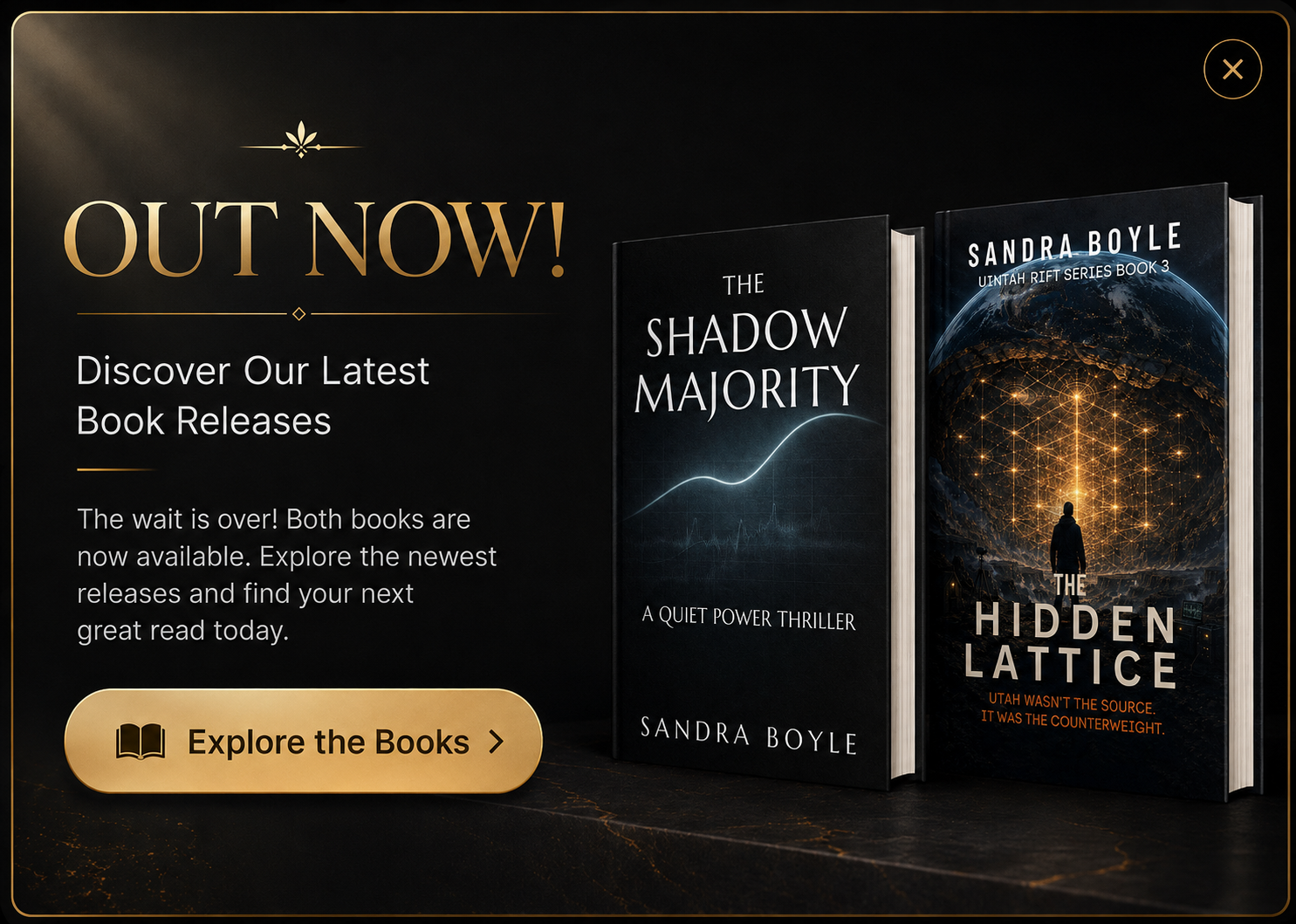
If these questions interest you, I invite you to explore my books. Visit my fiction website to discover my science fiction, psychological thrillers, political suspense, series, and standalone stories. Choose a story, turn the first page, and see where your choices take you.
Frequently Asked Questions
What are sci fi books about free will and fate?
These are science fiction stories that explore whether people control their own choices or whether their lives are shaped by fate, technology, society, or other forces.
Why is free will an interesting topic in science fiction?
Science fiction allows me to imagine situations that are difficult to experience in real life. What if technology could predict your decisions? What if someone could change your memories? These ideas make us think about how much control we really have.
Can a person change their fate?
That depends on the story. Some characters accept what seems destined to happen. Others fight against it. I enjoy exploring both possibilities and letting readers decide what they believe.
How does memory affect free will?
Our memories can influence how we see ourselves and the decisions we make. If those memories change or disappear, our choices may change too.
What other themes do I explore in my books?
I write about science fiction, psychological suspense, political tension, memory, identity, technology, power, control, and difficult human choices.