- By kappa2
- Nov 17, 2026
What Makes Character Driven Dystopian Fiction Books So Compelling?
Have you ever wondered what you would do if someone else controlled your memories, limited your freedom, or decided what you were allowed to know? Would you follow the rules to stay safe, or would you risk everything to uncover the truth? These are the questions that make character driven dystopian fiction books so compelling. As a novelist who writes science fiction, psychological thrillers, and political suspense, I enjoy exploring what happens when ordinary people face extraordinary pressure. For me, the most powerful dystopian stories are not just about frightening futures. They are about people, their choices, and what they are willing to protect.
Key Takeaways
Strong characters make dystopian worlds feel believable and personal.
Difficult choices create emotional connections between readers and characters.
Political control and technology reveal important questions about freedom and trust.
Psychological conflict adds mystery, tension, and depth.
The best dystopian stories encourage readers to question the world around them.
What Makes Character Driven Dystopian Fiction Books Different?
Character driven dystopian fiction books focus on how people respond to a world shaped by control, fear, or uncertainty. Instead of relying only on a dark setting or an imagined disaster, these stories explore the thoughts, feelings, and decisions that shape human lives.
When I write fiction, I am interested in how people behave when the rules suddenly change. A character might discover that a trusted institution is hiding the truth. Another might learn that a system designed to protect society is taking away personal freedom.
These situations become interesting because the characters must decide what to do next. Their choices create the story’s emotional power and keep readers turning the pages.
Why Do Readers Connect With Imperfect Characters?
Readers connect with imperfect characters because their doubts, mistakes, and fears feel real. A hero does not need to be fearless or always make the right decision to become memorable.
I find that characters become more interesting when they face choices without easy answers. Someone who wants to protect their family might remain silent about an injustice. Another person might risk a secure life to expose a dangerous secret.
Both decisions can have serious consequences. These personal struggles help readers understand the characters, even when they disagree with their actions. They also raise an important question: what would I do in the same situation? That connection makes the fictional world feel much closer to our own.
How Does Political Power Make Dystopian Stories More Interesting?
Political power adds depth to dystopian fiction by showing how rules, institutions, and public information can influence people’s lives. A society does not always become frightening through sudden violence. Sometimes control grows through small changes that seem reasonable at first.
I explore similar questions in political suspense, where the truth can become difficult to recognize and the people responsible for protecting a system may also be hiding something.
Consider a society where voting rules change quietly, public records disappear, or officials control which information reaches citizens. Such changes may appear harmless until the characters begin to notice their consequences.
This is one reason political themes work so well in dystopian fiction. They allow me to explore the difference between appearing lawful and acting fairly, while showing how ordinary people respond when trust begins to break down.
What Role Does Psychology Play in Dystopian Fiction?
Psychology makes dystopian fiction more engaging by exploring how fear, pressure, and uncertainty affect the human mind. Even when the danger comes from technology or government control, much of the conflict happens inside the characters.
A person may begin to question their memories. Someone else may struggle to trust friends, family members, or even their own judgment. When information is manipulated, the search for truth can become a personal battle.
I am particularly interested in the connection between identity, memory, and control. My science fiction and psychological thrillers explore ideas that make readers question how people understand themselves and the world around them.
How Does Technology Change the Human Experience?
Technology makes dystopian stories compelling when it changes how people live, think, communicate, or make decisions. The most interesting inventions are not always the most powerful ones. Sometimes a small technological change can create enormous personal consequences.
Imagine a device that can remove painful memories. At first, it might seem helpful. But what happens if someone else decides which memories should disappear? Could a person still understand their identity without access to their past?
I use questions like these to explore the human side of speculative technology. I want readers to think beyond what a machine can do and consider how its use might affect freedom, relationships, and responsibility.
This is also what draws me to introspective science fiction books. They combine imaginative ideas with personal questions, giving readers something meaningful to consider long after the story ends.
Why Are Difficult Choices More Powerful Than Perfect Solutions?
Difficult choices make dystopian fiction memorable because they force characters to weigh competing values. A character might have to choose between personal safety and public truth, loyalty and justice, or security and freedom.
There may be no completely safe option. When I build a story around these conflicts, I want the consequences to matter. A decision should reveal something about the character and change what happens next. This creates tension naturally because readers understand that every choice carries a cost.
Perfect heroes and obvious villains can make a story predictable. Characters who struggle with conflicting beliefs create more uncertainty. Their actions encourage readers to think about morality without expecting every question to have a simple answer.
How Can Dystopian Fiction Help Us Understand the Real World?
Dystopian fiction helps readers examine real concerns by placing them in imagined situations. It gives us a way to consider surveillance, political influence, misinformation, and the limits of technology through stories rather than abstract arguments.
I do not believe fiction needs to predict the future to be meaningful. It can simply ask what might happen if a current problem grows more serious or if a well-intentioned decision produces unexpected harm.
Through science fiction, psychological thrillers, and political suspense, I explore how power and uncertainty affect individuals and society. My aim is to entertain readers while encouraging them to question assumptions, consider different perspectives, and think carefully about the choices that shape our lives.
Discover Stories That Challenge Your Perspective
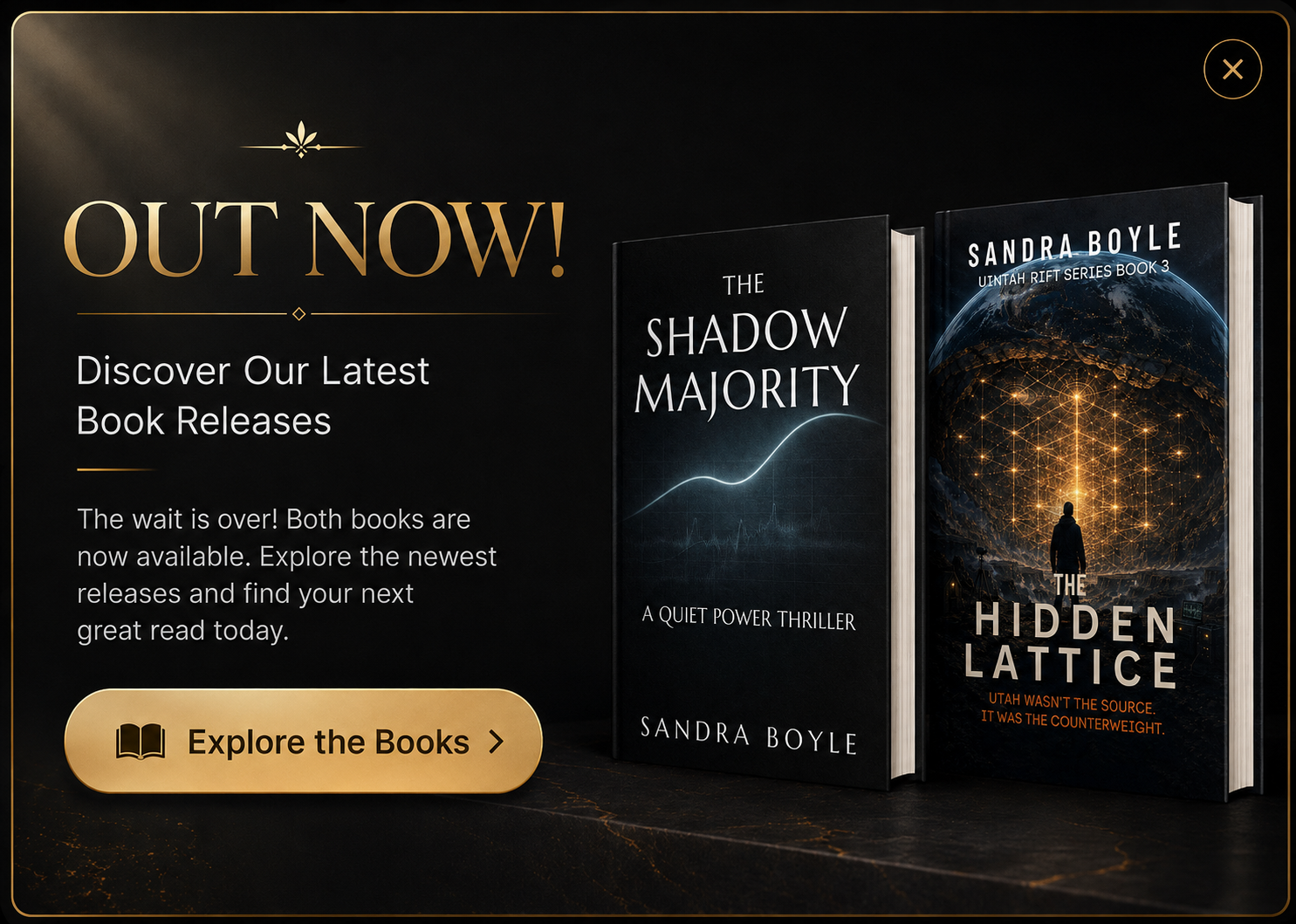
If you enjoy stories about complex characters, hidden truths, psychological tension, and political power, I invite you to explore my novels. Visit my website to discover my science fiction and thrillers, explore featured books, and find your next compelling read.
I write for readers who want more than an imagined future. I want to take you into stories where human choices matter, truth can be difficult to find, and every revelation gives you another reason to keep reading.
Frequently Asked Questions
What are character driven dystopian fiction books?
Character driven dystopian fiction books focus on people living in troubled or oppressive societies. They explore how characters handle fear, control, injustice, and difficult choices while navigating uncertain futures.
Why do readers enjoy character driven dystopian fiction?
Readers enjoy these stories because the characters feel relatable, even in unfamiliar worlds. Their struggles, relationships, and decisions create emotional connections while exploring questions about freedom, power, and human nature.
How is character driven dystopian fiction different from traditional dystopian fiction?
Traditional dystopian fiction may focus mainly on the society or disaster itself. Character driven dystopian fiction gives greater attention to individual experiences, personal conflicts, emotional growth, and the consequences of each decision.
What themes are common in character driven dystopian novels?
Common themes include government control, surveillance, identity, memory, resistance, inequality, and the struggle between personal freedom and public safety. These themes help authors explore how people behave under pressure.
Are introspective science fiction books similar to dystopian fiction?
Yes, they can overlap. Introspective science fiction books examine identity, memory, morality, and human existence, while dystopian fiction often explores these questions within societies shaped by oppression, uncertainty, or powerful technology.
Where can I find character driven dystopian fiction books by Sandra Boyle?
You can visit her site to explore her science fiction novels, psychological thrillers, and political suspense. Browse the available titles to discover stories featuring speculative ideas, hidden truths, and questions about human nature.